Creative is the constraint in Q4, not budget
More budget cannot fix tired creative, and new creative uploaded in November arrives with no delivery history at the worst possible moment. Here is how Meta's retrieval stage actually treats a fresh asset, why genuinely different ideas beat asset volume for Australian budgets, and what to fix in your creative measurement before the expensive weeks of Q4 begin.
What to fix before Q4, and what to leave alone
Every Q4 checklist tells you what to fix. Almost none tell you what to stop touching, or when the window closes. Every change resets learning, which costs a week in September and the quarter in November. What to fix now, what to freeze from mid-October, why September decides Q4, and the Australian dates most guides miss.
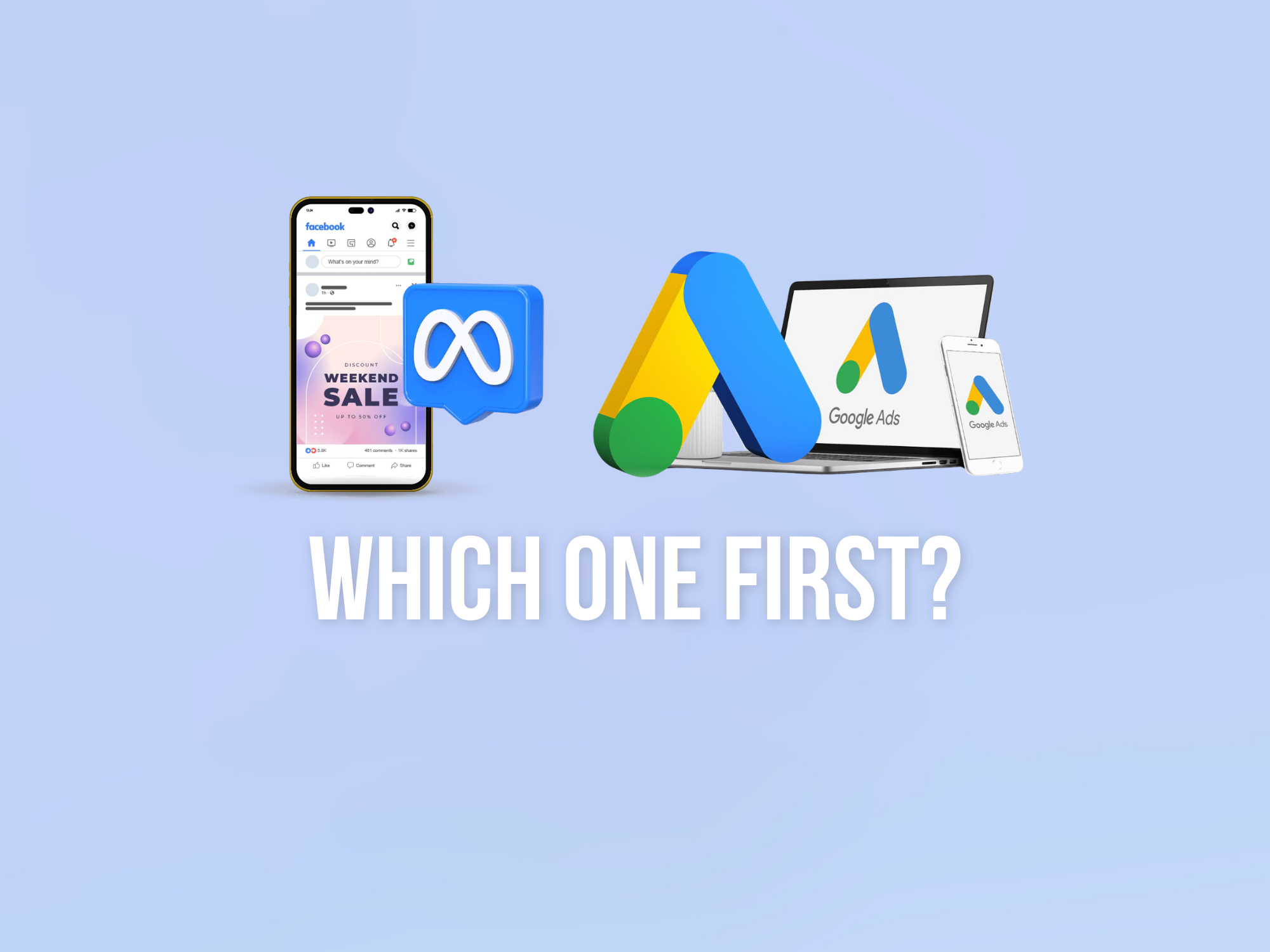
What Most Businesses Get Wrong Before They Ever Run an Ad
Every agency gives the same Google versus Meta framework, and it is not where businesses lose money. Meta overstates itself by two to three times while last-click attribution hands its branded search conversions to Google. Here is why that makes you cut the wrong channel, and what to fix before you launch either one.

When Should You Actually Scale Your Ad Spend?
Most people ask whether their ads are performing well enough to scale. That is the wrong question. A plain-English guide to scaling ad spend: the three conditions that must hold first, why 15 to 20 percent steps beat doubling, and the stop rule to set before you increase anything.
How to Tell If Your Ad Agency Is Actually Doing a Good Job
Your agency sends a report every month, but is it working? A plain-English guide to judging an ad agency: the green flags that signal real competence, the red flags that cost businesses millions, and the four questions any good agency can answer instantly.
Attribution in Plain English: Why Google and Meta Both Take Credit for the Same Sale
Google says 80 sales, Meta says 70, Shopify says 100. Nobody is lying. A plain-English guide to marketing attribution: view-through windows, self-attribution, why platform ROAS double-counts, and the one blended number that actually tells you the truth.
For ecommerce on Google, your product feed is the campaign
Most ecommerce brands optimise the account and ignore the feed. It is the wrong way around. On Google in 2026, the product feed does most of the work Shopping and Performance Max used to hand to the media buyer. A plain-English guide to why the feed is the campaign, what to fix inside it, and the account decisions that still actually matter.
Why most Google Ads leads look cheap and never close
Most Google Ads lead campaigns produce cheap form fills and lukewarm pipeline. Here is why. A plain-English guide to Search vs Performance Max vs Demand Gen, Smart Bidding for lead gen, Enhanced Conversions for Leads, and the measurement piece almost no one connects.
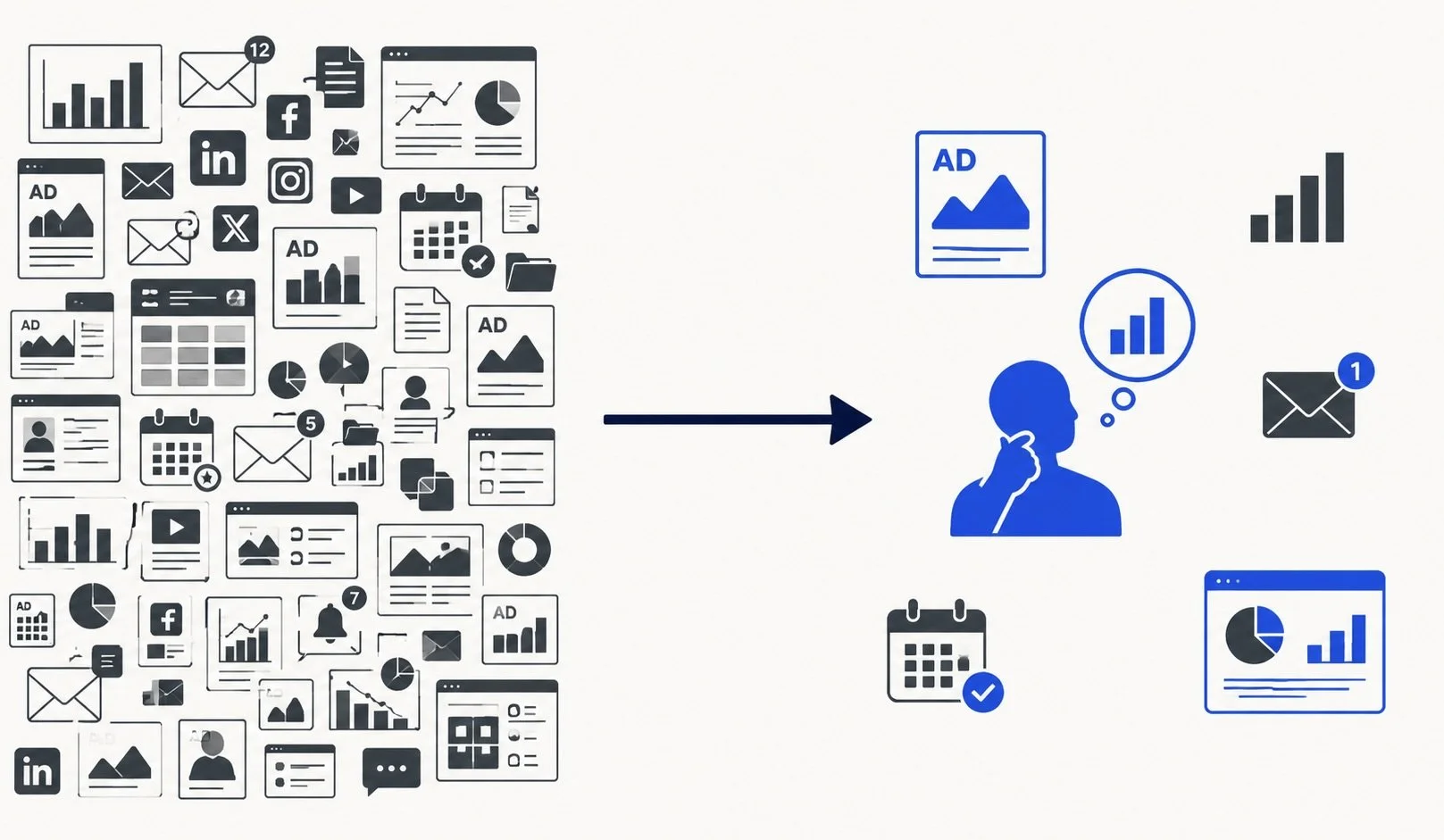
Why AI Automation Is Reshaping Marketing Teams In 2026
AI automation is no longer a future trend. In 2026, Atlassian, Coinbase and WiseTech are cutting thousands of roles, Gartner predicts AI will automate 36% of marketing work by 2028, and traditional search is losing 25% of its volume. Learn how marketing teams are being restructured, which roles are compressing, and how to build leverage instead of getting left behind.

Google Is Killing Dynamic Search Ads. Here's What You Actually Need to Know.
Google is retiring Dynamic Search Ads in September 2026 and replacing them with AI Max. Here's what's actually changing, what the independent data shows, and how to make sure the migration works in your favour.
Meta Is About to Become the World's Biggest Ad Platform. Here's What That Actually Means for You.
For the first time in 25 years, Meta is set to surpass Google in global digital ad revenue. Here's what's driving the shift, what Google is facing, and what smart advertisers should do about it.

Meta, Google & Instagram Are Becoming AI-First Platforms
Meta, Google and Instagram are shifting to AI-first platforms, transforming how ads are created, optimised and scaled. This blog breaks down what’s changing, why it matters, and how advertisers can adapt to stay competitive in an automated, data-driven ecosystem.

Customer Acquisition Cost (CAC): The Metric That Decides Whether You Scale or Stall
Customer Acquisition Cost (CAC) explains how much it really costs to win a customer. Learn how to calculate CAC, why it’s rising in 2026, common mistakes businesses make, and proven strategies to reduce CAC and scale profitably across Google and Meta Ads.